NICEIC Insurance & Risk Guide for Electrical Contractors
NICEIC-registered electricians must manage a unique set of risks — from electrical failure and fire to incorrect testing, mis-certification and high-risk installations such as EV chargers and solar PV systems.
This guide from SRS Insurance helps installers understand:
- The main risks NICEIC contractors face
- The essential insurance types to consider
- Why generic policies often fail electrical contractors
- The exclusions that installers should be aware of
- How to protect themselves from high-cost claims
This guide is not compliance or audit advice.
It is insurance and risk guidance, written specifically for NICEIC installers.
Key Risks for NICEIC Electrical Contractors
NICEIC electricians face some of the highest liability exposures in the trades industry.
1. Electrical Fire & Fault Risk
Faulty wiring, incorrect installation, ageing circuits, or incorrect isolation can lead to:
- Property fires
- Damage to neighbouring properties
- Injury to occupants
These claims often exceed £100,000+.
2. Testing, Certification & EICR Liability
Electrical Installation Condition Reports (EICRs) create professional liability.
Common claim causes:
- Incorrect coding
- Missed defects
- Inaccurate reporting
- Failure to identify dangerous circuits
This is where Professional Indemnity (PI) is vital.
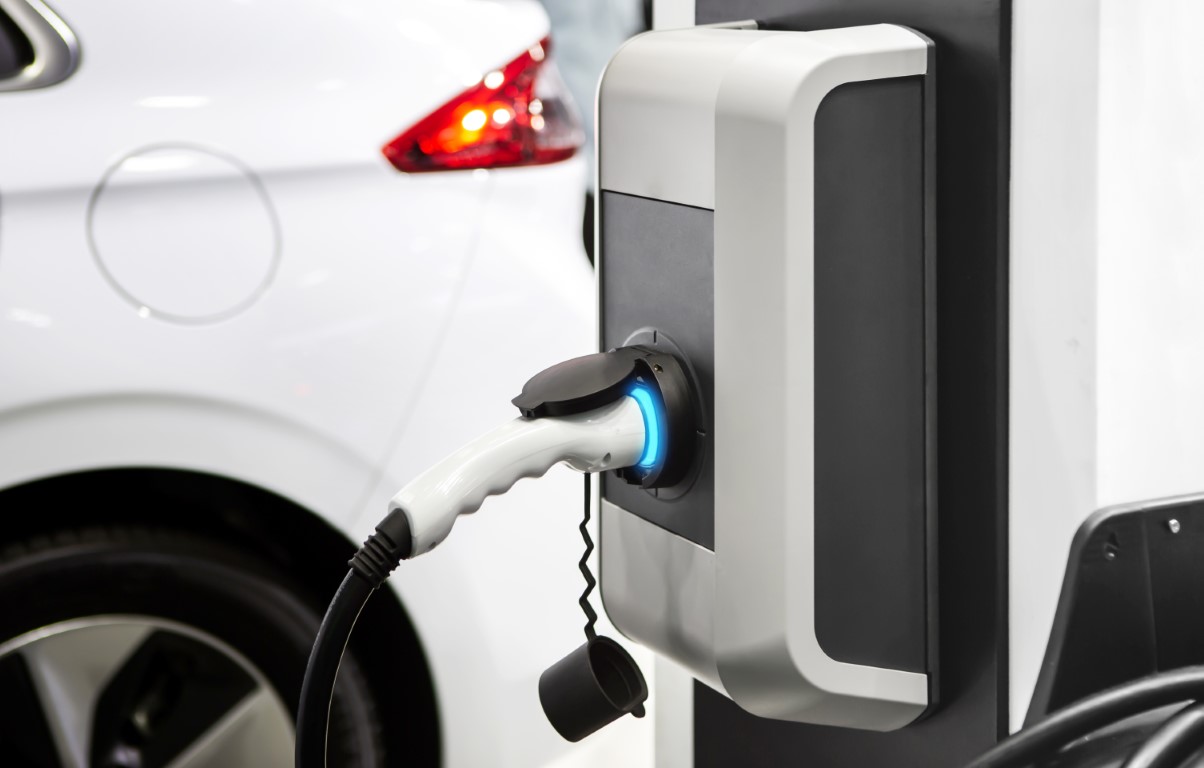
3. EV Charger & Solar PV Risks
Modern NICEIC contractors often install:
- Overheating
- Electrical fire
- Incorrect inverter setup
- Incorrect load assessment
- Battery storage failures
Risks include:
- EV charge points
- Solar PV systems
- Battery storage
- Smart home systems
Many general policies exclude EV/PV unless specifically added.
4. Work in Commercial & Industrial Settings
Higher risk environments:
- Factories
- Retail
- Schools
- Public buildings
- Farms
- Warehouses
These often require £5m or £10m PL as standard.
Essential Insurance Types for NICEIC Electricians
Below are the core policies every NICEIC contractor should consider.
1. Public Liability Insurance (PL)
Covers accidental injury or property damage caused during work.
Recommended limits:
- Domestic only: £2m–£5m
- Commercial/industrial: £5m–£10m
Good PL should include:
- Electrical installation & testing
- Faulty workmanship resulting damage
- Cover for EV/PV systems
- Commercial work
- “Property worked upon” cover
2. Professional Indemnity Insurance (PI)
Covers claims arising from:
- EICR reporting errors
- Incorrect certification
- Design/specification work
- Faulty advice
- Inspection work
- Testing and signing-off
Any NICEIC contractor who tests, inspects or certifies should strongly consider PI.
Suggested limits:
£250k – £1m minimum.
3. Employers’ Liability Insurance (EL)
Legal requirement if you employ:
- Staff
- Apprentices
- Labour-only subcontractors
- Trainees
Minimum legal limit: £10m
4. Tools & Equipment Insurance
Protects against:
- Theft
- Damage
- Loss (sometimes optional)
Particularly important for contractors with:
- Specialist testing equipment
- EV/PV diagnostic tools
- Expensive power tools
5. Contract Works Insurance
Useful for:
- Rewires
- Renovations
- Long-running projects
- Commercial contracts
Covers materials & work in progress.
Common Insurance Mistakes NICEIC Installers Should Avoid
Buying generic “tradesman insurance”
Most cheap policies contain exclusions such as:
- No electrical work above 24/48/50 volts
- No commercial work
- No testing/certification cover
These policies are dangerous for NICEIC electricians.
Not having PI for EICRs or testing
Testing without PI exposes the contractor to:
- Unlimited personal liability
- Lifetime long-tail risk
- Contractual disputes
Not checking trade descriptions
Your policy must correctly state:
- Electrical installation
- Electrical testing
- Electrical inspection
- EV/PV installation (if relevant)
Missing trade descriptions cause claim declinatures.
Insufficient PL limits for commercial work
Many commercial clients require £5m or £10m.
No cover for sub-contractors
If you use labour-only subcontractors, you need:
- Employer’s Liability
- Extended PL protection
Using policies that exclude “property worked upon”
This exclusion is fatal for electricians.
If your work damages the circuit, wall, board or property — you’re not covered.
Typical Claims Faced by NICEIC Contractors
Some real-world examples (generalised):
Electrical Fire Claim (£175,000+)
Faulty connection causes overheating behind a consumer unit.
Shock Injury Claim (£40,000+)
Customer receives shock due to incorrect isolation.
Incorrect EICR Report (£30,000+)
Landlord sues contractor after tenant injury.
EV Charger Failure (£22,000+)
Incorrect circuit design leads to overheating.
Solar PV Fault (£15,000+)
Poor inverter setup causes property damage.
Understanding these risks helps installers choose correct insurance.
Recommended Insurance Checklist for NICEIC Installers
NICEIC contractors should consider ensuring their policy includes:
- Electrical installation
- Electrical testing
- Certification & reporting
- Commercial & domestic work
- EV & PV system installation
- “Property worked upon” cover
- Faulty workmanship / resulting damage
- Tools & equipment
- Employers’ liability (if relevant)
- Professional indemnity for EICRs
This is a risk guide, not a compliance list.
Why NICEIC Contractors Choose SRS Insurance
- We specialise in electrical installer insurance
- We understand EICRs, EV chargers, solar PV & modern systems
- A-rated UK insurers
- Same-day quotes & documentation
- Trade-specific wording
- Policies that reflect what electrical contractors really do
- No generic or unsuitable exclusions
We insure NICEIC contractors ranging from sole traders to large multi-team electrical companies.