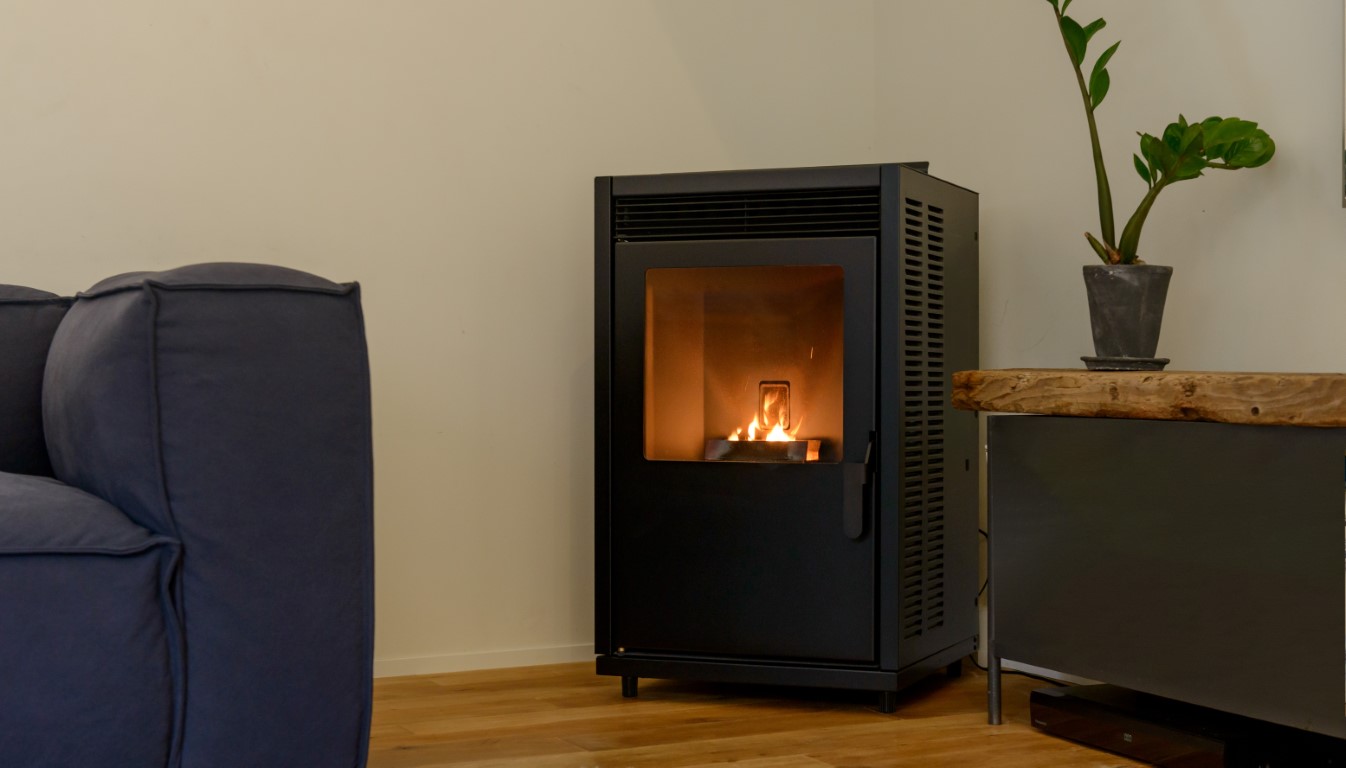
HETAS Insurance & Risk Guide for Solid Fuel, Biomass & Stove Installers
HETAS-registered installers carry out some of the most safety-critical work in the domestic heating industry. Wood-burning stoves, open fires, biomass boilers and chimney systems come with high fire and carbon monoxide risks — meaning robust insurance is essential.
This HETAS Insurance & Risk Guide, produced by SRS Insurance, explains:
- The key risks HETAS engineers face
- Which insurance covers are essential
- The exclusions that can leave installers unprotected
- Real-world claim examples
- How to reduce risk through proper insurance planning
This is not compliance or audit guidance.
It is insurance and risk education for HETAS installers.
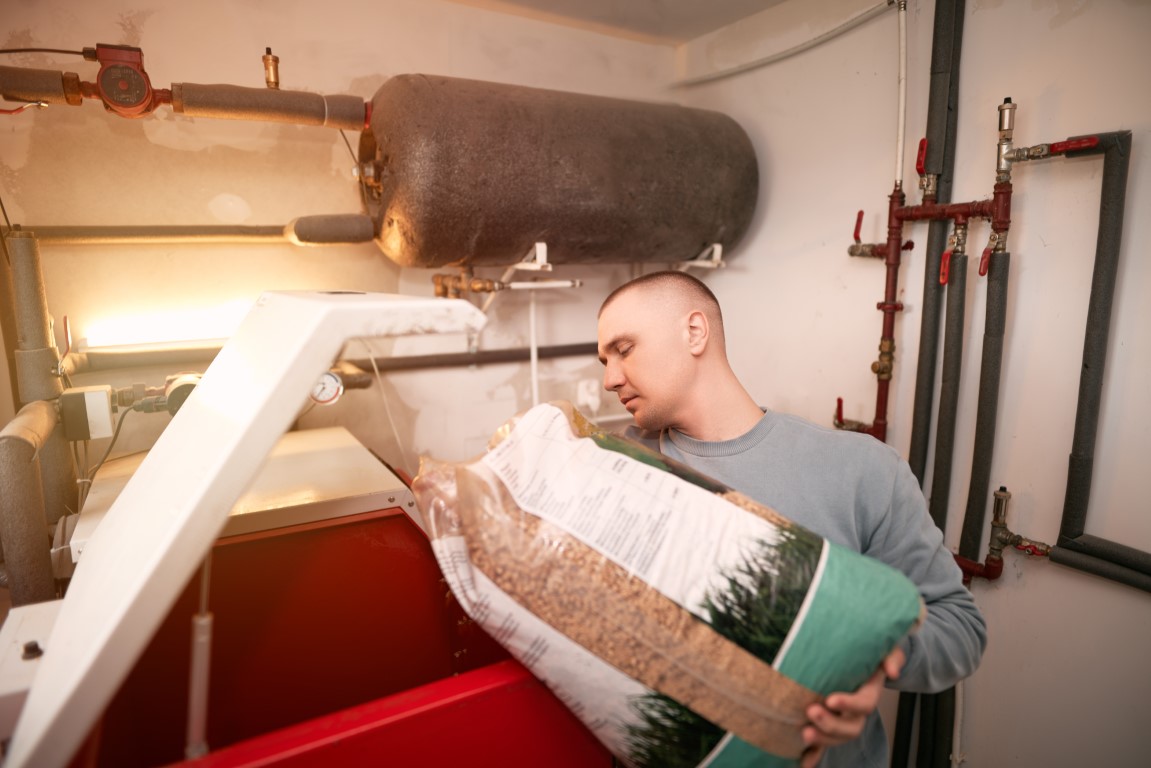
Key Risks for HETAS Installers
Solid fuel and biomass systems can create extreme risk due to heat, combustion, soot, flues and chimney performance.
1. Chimney & Flue-Related Fire Risks
Solid fuel appliances operate at very high temperatures.
Common fire risks include:
- Incorrect flue installation
- Inadequate clearance to combustibles
- Damaged liners
- Poor ventilation
- Creosote/smoke condensate build-up
Fire claims in solid fuel installations can exceed £100,000+.
2. Carbon Monoxide (CO) Poisoning
CO incidents can occur due to:
- Blocked flues
- Poor ventilation
- Incorrect appliance siting
- Faulty connection of liners
- Negative pressure issues
CO poisoning is among the most serious liabilities faced by HETAS installers.
3. Appliance Installation Errors
Examples:
- Poor hearth construction
- Incorrect air supply
- Wrong appliance output sizing
- Failure to follow manufacturer instructions
These can lead to:
- Overheating
- Fire
- CO build-up
- Appliance damage
4. Structural Heat Transfer & Building Damage
Heat transfer through:
- Timber frames
- Floors
- Adjacent walls
- Chimneys
- Surrounds
Claims often involve:
- Burned joists
- Damaged flues
- Warped or cracked brickwork
- Smoke damage
5. Chimney Lining & Sweeping Risks
Problems include:
- Incorrect liner installation
- Liner collapse
- Poor sweeping causing blockages
- Bird nest issues
- Soot/fuel residue ignition
Fire damage from hot works is a top claim type.
6. Biomass System Risks
Biomass boilers introduce:
- Complex controls
- High combustion temperatures
- Storage & fuel handling risks
- Flue gas management
Essential Insurance Covers for HETAS Installers
1. Public Liability Insurance (PL)
Covers injury or property damage caused by your work.
PL for HETAS installers should include:
- Solid fuel appliance installation
- Fireplace installation
- Chimney/flue installation
- Biomass systems
- Hot works
- Fire & heat damage
- Smoke damage
- CO-related liability
- Structural heat transfer risks
Recommended limits:
- Domestic: £2m–£5m
- Commercial: £5m–£10m
2. Professional Indemnity Insurance (PI)
Important for installers involved in:
- Appliance selection
- Flue system design
- Ventilation calculations
- Performance advice
- Installation specification
- Safety advisory work
PI protects against:
- Incorrect advice
- Design errors
- Poor specification decisions
- Safety guidance failures
Recommended limits: £250k – £1m.
3. Employers’ Liability Insurance (EL)
Legal requirement if employing:
- Installers
- Apprentices
- Labour-only subcontractors
- Trainees
Legal minimum: £10m.
4. Tools & Equipment Insurance
HETAS engineers use:
- Rotary sweeping systems
- Flue cameras
- Core drilling equipment
- High-value installation tools
- Biomass diagnostic tools
These are expensive and theft-prone.
5. Contract Works Insurance
Useful for:
- Fireplace builds
- Chimney lining
- Stove installation projects
- Biomass system installations
Protects materials and work in progress.
Common Insurance Mistakes HETAS Installers Should Avoid
No hot works cover
Many insurers exclude heat-related work — a major risk in this industry.
Exclusion of chimney/flue work
Generic policies sometimes exclude chimney or structural work entirely.
No cover for solid fuel appliances
If your policy does not list solid fuel installations, you’re at risk.
Assuming PL is enough
Design/spec mistakes require PI protection.
No cover for structural heat transfer
Heat damage to walls, floors, joists or chimneys is a major risk.
Policies that exclude smoke or soot damage
Not suitable for solid fuel work.
Incorrect trade description
Your policy should list:
- Solid fuel appliance installation
- Chimney lining
- Flue installation
- Biomass systems
- Fireplace installation
Using subcontractors without proper EL/PL
Labour-only subcontractors must be covered under your policy.
Typical Claims Faced by HETAS Contractors
Chimney Fire (£60,000–£150,000)
Incorrect clearance to combustibles caused structural fire.
CO Poisoning (£50,000–£200,000+)
Improper flue installation or inadequate ventilation.
Overheated Stove Causing House Fire (£80,000–£120,000)
Appliance incorrectly installed near flammable materials.
Heat Transfer Damage (£20,000–£40,000)
Adjacent timber and plasterboard scorched behind stove.
Liner Installation Failure (£10,000–£30,000)
Liner collapse or poor installation causing smoke damage.
Tool Theft (£2,000–£8,000)
Van break-in, loss of sweeping systems and installation tools.
Recommended Insurance Checklist for HETAS Installers
HETAS contractors should consider ensuring their insurance includes:
- Solid fuel appliance installation
- Stove fitting
- Fireplaces
- Flue & chimney lining
- Biomass system installation
- Hot works
- Smoke/soot damage
- Structural heat transfer cover
- Environmental liability (if working with biomass)
- Professional indemnity
- Tools & equipment
- Employers’ Liability (if applicable)
- Public Liability £2m–£10m
This is risk protection guidance, not scheme compliance.
Why HETAS Installers Choose SRS Insurance
- Specialists in solid fuel & biomass installation insurance
- A-rated UK insurers
- Trade-specific policy wording
- Cover for fire, heat, CO and structural risks
- Fast documents
- Tool cover and hot works insurance
- Suitable for sole traders & commercial stove installers
We insure solid fuel and biomass engineers across the UK.