APHC Insurance & Risk Guide for Plumbing & Heating Engineers
APHC-registered plumbing and heating engineers work on systems that carry a high risk of water damage, fire, flooding, leaks and installation failure. Choosing the right insurance is essential to protect against expensive claims and safeguard your business.
This APHC Insurance & Risk Guide, created by SRS Insurance, covers:
- The main risks APHC members face
- Essential insurance protections
- Common exclusions to avoid
- Typical claim examples
- How proper insurance supports plumbers & heating engineers
This guide is insurance and risk guidance only, not compliance or audit advice.
Key Risks for Plumbing & Heating Engineers
Plumbers and heating engineers operate in environments where even a small mistake can cause thousands in damage.
1. Water Damage & Flooding (Most Common Claim)
Caused by:
- Burst pipes
- Poor solder joints
- Push-fit failures
- Incorrect valve installation
- Faulty pump or cylinder connections
- Unsecured or untested systems
Water damage claims frequently cost £10,000–£75,000+.
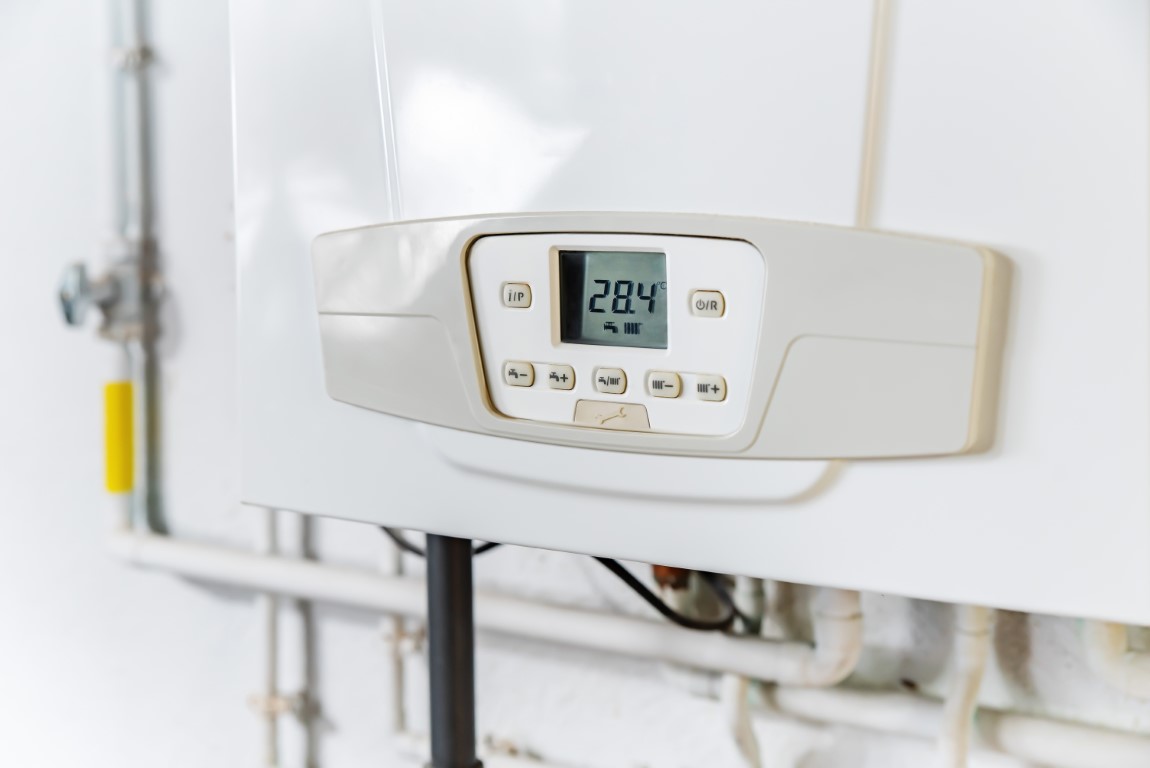
2. Boiler Installation & Commissioning Risks
Common causes of claims:
- Incorrect flue installation
- Faulty pressure settings
- Failure to test
- Leaking joints
- Condensate issues
- Appliance failure soon after installation
3. Hot Works Fire Risk
Soldering and brazing can ignite:
- Walls
- Floors
- Insulation
- Joists
- Carpets
- Surrounding materials
Hot works fires cause some of the largest losses in the plumbing trade.
4. Heating System Failures
Examples:
- Incorrect pump installation
- Poor pipework layout
- Wrong heat-loss calculations
- Incorrect cylinder installation
- Air locks or pressure issues
5. Legionella & Water Hygiene Risks
Applicable for:
- Unvented cylinders
- Commercial plumbing
- Systems serving multiple users
Incorrect commissioning can lead to health risks and claims.
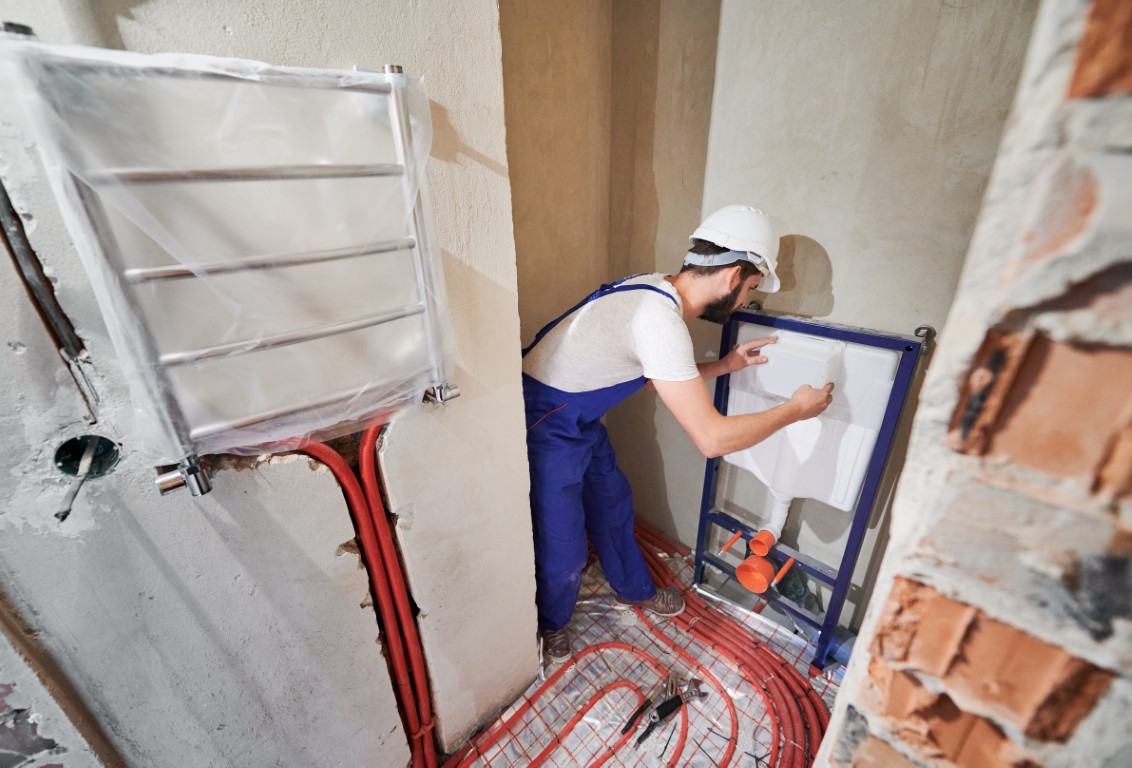
6. Property Damage During Works
Caused by:
- Removal of bathrooms
- Access holes
- Drilling or cutting
- Damaging tiles, walls or fixtures
“Property being worked upon” cover is essential.
Essential Insurance Covers for APHC Engineers
1. Public Liability Insurance (PL)
Protects against injury or property damage.
A strong PL policy for APHC engineers should cover:
- Plumbing installation
- Water damage
- Heating installation
- Boiler fitting
- Hot works
- Pipework
- Unvented cylinder installation
- Bathroom works
Recommended limits:
- Domestic: £2m–£5m
- Commercial: £5m–£10m
2. Professional Indemnity Insurance (PI)
Important for engineers involved in:
- Heating or plumbing design
- Water system specification
- Unvented cylinder sign-off
- Heat-loss calculations
- Legionella-related advice
- System recommendations
- Commissioning reports
PI protects against:
- Incorrect design
- Wrong advice
- Specification errors
- Documentation mistakes
Recommended limits: £250k – £1m
3. Employers’ Liability Insurance (EL)
Required by law if you employ:
- Staff
- Apprentices
- Labour-only subcontractors
- Trainees
Legal minimum: £10m
4. Tools & Equipment Insurance
Plumbing/heating tools include:
- Press tools
- Pipe cutters
- Power tools
- Diagnostic equipment
- Leak detection tools
High risk of theft from vans.
5. Contract Works Insurance
Useful for engineers involved in:
- Bathroom installations
- Kitchen plumbing
- Extensions
- Renovations
- New builds
Protects materials and work in progress.
Common Insurance Mistakes APHC Engineers Should Avoid
No hot works cover
Many basic policies exclude soldering and brazing.
Policies that exclude water damage
A major red flag for plumbing contractors.
Incorrect trade descriptions
Your policy must clearly state:
- Plumbing work
- Heating system installation
- Hot works
- Bathroom installation
Insufficient PL limits
Especially for commercial sites.
No PI for design or commissioning
System design errors are a real exposure.
No cover for subcontractors
Labour-only subcontractors MUST be covered under your policy.
‘Property worked upon’ exclusions
This exclusion means your insurer may NOT cover damage to:
- Pipework
- Bathrooms
- Boilers
- Fixtures
- Floors
- Walls
Plumbers must avoid this exclusion.
Typical Claims Faced by APHC Engineers
Burst Pipe Flooding (£25,000–£70,000)
Faulty connection during installation.
Hot Works Fire (£20,000–£90,000)
Soldering ignites nearby materials.
Bathroom Installation Damage (£10,000–£40,000)
Water leaks behind tiles damage structure.
Boiler Fault (£15,000–£50,000)
Incorrect installation leads to flue issue or breakdown.
Tool Theft (£1,500–£8,000)
Common among mobile plumbing/heating engineers.
Property Damage from Access Holes (£1,000–£10,000)
Accidental damage while working in confined spaces.
Recommended Insurance Checklist for APHC Installers
APHC plumbing & heating engineers should consider:
- Public Liability (£2m–£10m)
- Plumbing & heating installation
- Hot works cover
- Water damage
- Unvented cylinder cover
- Boiler installation
- Bathroom installation
- Professional indemnity
- Tools & equipment
- Employers’ Liability (if applicable)
- “Property being worked upon” cover
This is risk guidance, not scheme compliance.
Why APHC Installers Choose SRS Insurance
- Specialists in heating & plumbing installer insurance
- A-rated insurers
- Proper water damage & hot works cover
- Rapid documentation
- Tools cover available
- Suitable for domestic and commercial installers
- Policies built for real-world plumbing & heating risks
We insure plumbers and heating engineers across the UK.