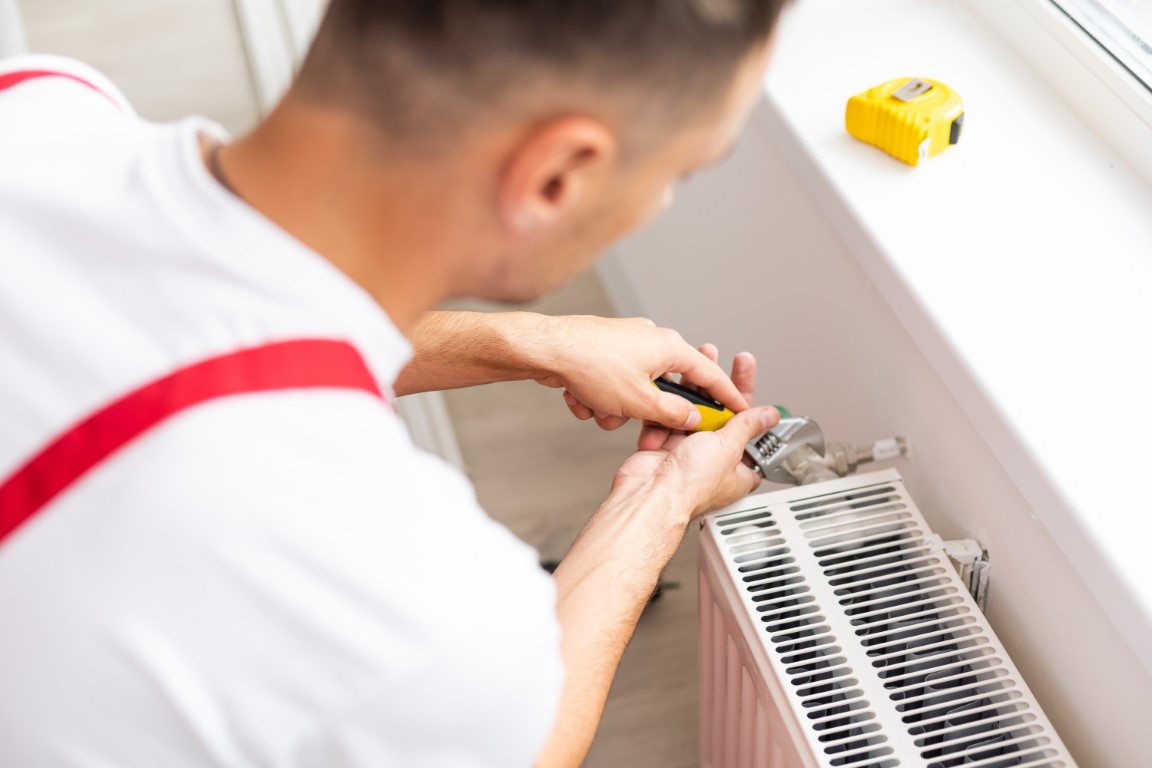
Gas Safe Insurance & Risk Guide for Heating & Gas Engineers
Gas Safe registered engineers work in one of the most safety-critical trades in the UK.
From boiler installations to fuel supply systems, flues, commissioning and repairs, the risks are high—and so are the potential claim costs.
This Gas Safe Insurance & Risk Guide, created by SRS Insurance, explains:
- The major risks Gas Safe installers face
- The essential insurance covers
- The exclusions that leave engineers exposed
- Common heating and gas-related claims
- How to protect your business from the unexpected
This guide is not compliance or Gas Safe audit support.
It is purely insurance and risk guidance for heating & gas professionals.
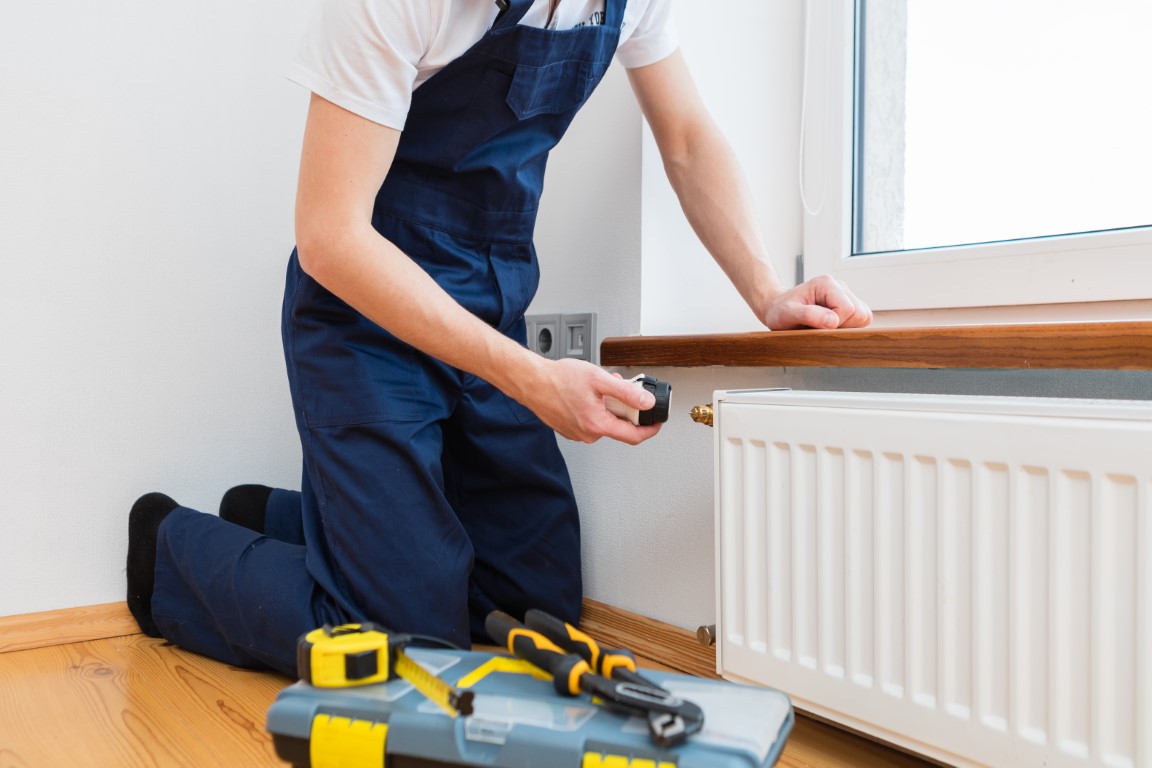
Key Risks for Gas Safe Engineers
Gas work involves life-safety, property protection and high-value equipment.
Common risks include:
1. Carbon Monoxide (CO) Poisoning
One of the most severe risks in the trade.
Causes include:
- Faulty flue installation
- Poor ventilation
- Incorrect commissioning
- Leaking joints
- Blocked flue terminals
CO poisoning claims often exceed £50,000–£250,000+ depending on the severity.
2. Gas Leaks & Explosion Risk
Incorrect pipework, fittings, or testing can lead to:
- Explosion
- Fire
- Structural damage
- Neighbouring property damage
Gas leak/explosion claims can exceed £500,000+.
3. Boiler Installation Failures
Typical problems:
- Faulty connections
- Incorrect siting
- PRV or condensate issues
- System contamination
- Poor flue alignment
Resulting damage can include:
- Water damage
- Fire damage
- Total boiler replacement
4. Commissioning & Sign-Off Errors
Commissioning is a major liability point.
Mistakes include:
- Improper testing
- Incomplete paperwork
- Incorrect readings
- Unverified safety checks
These create professional liability for the engineer.
5. Hot Works Risks
When soldering or brazing pipework:
- Fire
- Heat damage
- Sparks
- Ignition of surrounding materials
Hot works are one of the biggest causes of domestic property damage in the UK.
6. Water Damage & Flooding
Causes:
- Burst pipes
- Poor joints
- Faulty valves
- Incorrect pressurisation
- Installations not tested fully
Water damage is the #1 claim type in the heating sector.
Essential Insurance Covers for Gas Safe Engineers
1. Public Liability Insurance (PL)
Covers accidental injury or property damage caused during your work.
For Gas Safe engineers, PL should include:
- Gas & heating installation
- Boiler work
- Fuel line work
- Hot works
- Flue & ventilation work
- Water damage
- Resulting damage
- Heat/fire damage
Recommended limits:
- Domestic-only: £2m–£5m
- Commercial/industrial: £5m–£10m
2. Professional Indemnity Insurance (PI)
Important for engineers involved in:
- System design/specification
- Commissioning
- Appliance sign-off
- Safety certification
- Commercial heating
- Heat loss calculations
- Ventilation/flue path design
PI protects against:
- Incorrect advice
- Design errors
- Faulty commissioning
- Incorrect documentation
Recommended limits: £250k – £1m
3. Employers’ Liability Insurance (EL)
Legal requirement if employing:
- Engineers
- Apprentices
- Labour-only subcontractors
- Trainees
Legal minimum: £10m
4. Tools & Equipment Insurance
Gas engineers carry:
- Expensive hand tools
- Power tools
- Combustion analysers
- Diagnostic equipment
- Pressurisation kits
Tools theft is extremely common, especially from vehicles.
5. Contract Works Insurance
Useful for:
- Heating installations
- Boiler upgrades
- System overhauls
- Commercial plant rooms
Protects materials and work in progress.
Common Insurance Mistakes Gas Engineers Should Avoid
No hot works cover
If your policy excludes heat work (soldering/brazing), you may not be insured.
No cover for gas work specifically
Some generic tradesman policies exclude:
- Gas work
- Fuel lines
- Combustion equipment
This is extremely risky.
Insufficient water damage cover
Water damage can be financially devastating.
Not having PI for commissioning or system design
If you design or sign-off work, PI is strongly recommended.
Inadequate PL limits for commercial contracts
Schools, care homes and councils often require:
- £5m minimum
- Sometimes £10m
No cover for subcontractors
Labour-only subcontractors must be covered under EL.
‘Property worked upon’ exclusions
This would invalidate claims involving:
- Boilers
- Pipework
- Appliance casings
- Internal property areas
Avoid this at all costs.
Typical Claims Faced by Gas Safe Engineers
CO Poisoning Claim (£120,000+)
Incorrect flue caused CO leakage into adjacent rooms.
Gas Explosion (£300,000+)
Faulty compression joint led to ignition and structural damage.
Water Damage (£15,000–£50,000)
Poor connection on boiler return pipe flooded property.
Hot Works Fire (£20,000–£75,000)
Solder spatter ignited insulation behind partition.
Faulty Boiler Installation (£10,000–£30,000)
Incorrect flue routing and condensate connection failure.
These are examples of real-world heating-sector risks.
Recommended Insurance Checklist for Gas Safe Engineers
Gas Safe installers should consider ensuring their insurance includes:
- Gas installation & servicing
- Hot works
- Boiler installation
- Commissioning
- Fuel supply systems
- Flue & ventilation
- Professional indemnity (for design/commissioning)
- Water damage
- Property being worked upon
- Tools
- Employers’ Liability (if applicable)
- PL at £2m–£10m
This is risk guidance, not official scheme requirements.
Why Gas Safe Engineers Choose SRS Insurance
- Specialist broker for high-risk heating & gas trades
- Proper heat and fuel-risk policy wording
- A-rated insurers
- Fast documentation
- Trade-specific cover (boilers, gas lines, flues, plumbing)
- Tools, hot works and water-damage protection
- Suitable for sole traders, small firms and larger commercial contractors
We insure heating & gas engineers nationwide.